
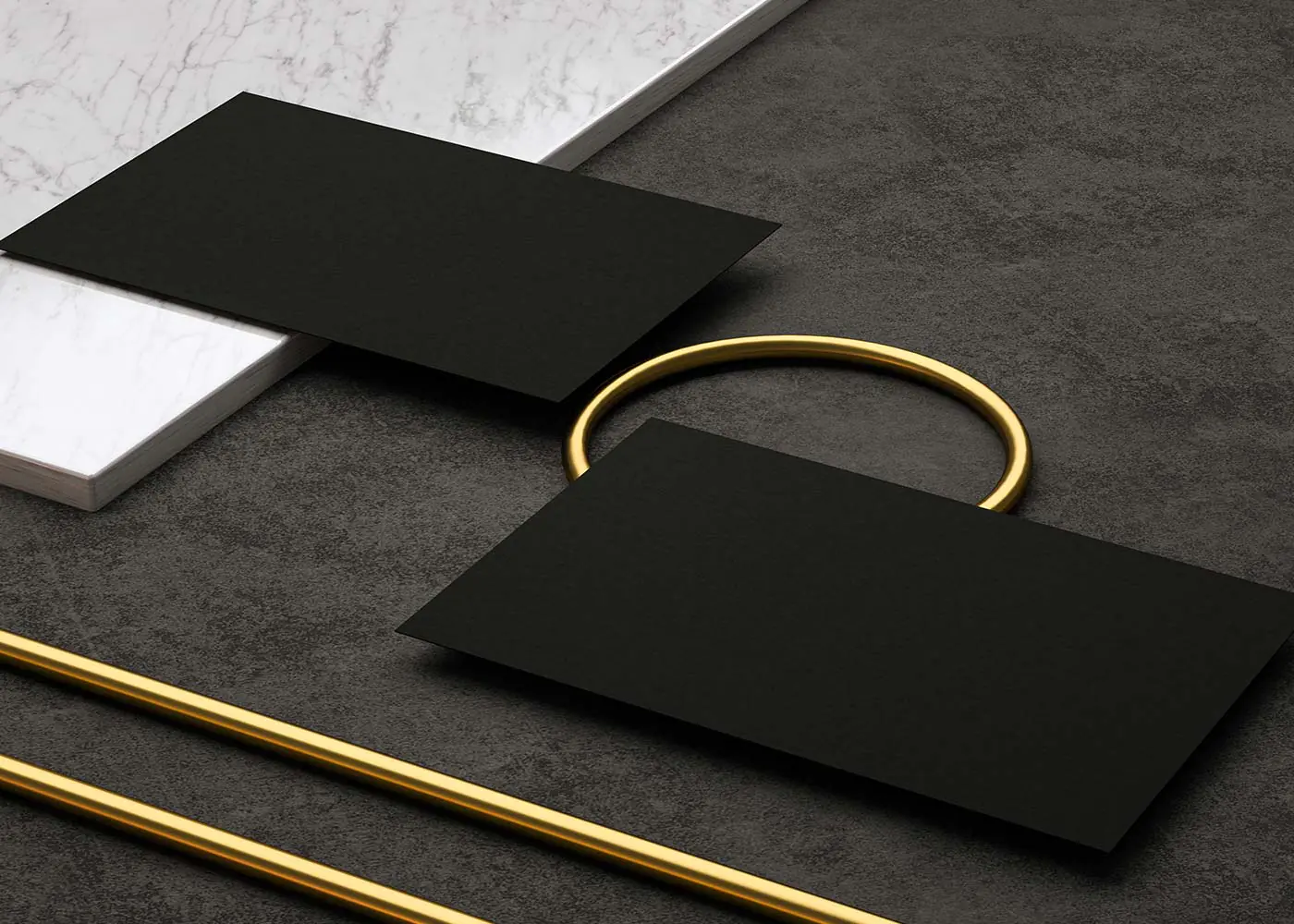
Your company's brand is represented by your business card.
It not only conveys vital personal contact details such as name, title, email,
website, address, and phone number, but it is also often the first exposure to
the company's overall image.
When we start or enter a new company, business cards are
always the first piece of marketing we print, and with today's digital printing
techniques, anyone can get professional business cards without breaking the
bank.
Below are five different styles of printing techniques for
business cards.
1 - Varnish / Spot UV Printed Business Card Design
This printing technique is very common these days; people
prefer a glossy effect on their business cards so that they don't look as plain
as a worn-out old card. Varnish is a matte card coating that improves the
card's longevity while also protecting it with a glossy coat on top. This
printing technique improves the appearance of the business card. Only some
parts/zones of the business cards are rendered to look richer and glossier
using Spot UV. On, you can see some excellent examples of UV printing
techniques.
Choosing Your Spot UV Areas
When it comes to Spot UV, the rule of thumb is that less is
more. This is because it's a one-of-a-kind texture that adds depth to your
paper, but too much of it can distract from the final product. Spot UV is
intended to draw attention to specific areas by creating texture contrast;
however, if used excessively, this dramatic finish will blend in with other
elements. There are other options for getting full gloss on your print, such as
ordering a gloss lamination (rather than a matt or velvet) during the order
process.
What Should You Highlight?
Spot UV allows you to make every part of your document stand
out more than the others. This is normally the company logo or the name of the
company on business cards. Spot UV finish allows for easy text creation and can
make a business card look very elegant and professional.
How to Prepare Your Artwork for UV Spot Printing
Spot UV is simple to produce during the design stage of a
project; adding Spot UV directions later is much more difficult (or impossible,
if the final document is a JPEG).
- Build an extra layer in your design software and
call it Spot UV.
- Next, choose or make a really bright color and
save it as ‘Spot UV.'
- Copy any elements you want to have highlighted
with a Spot UV finish to the first layer(s) of your paper. Next, paste these
elements in the same place on your new Spot UV sheet.
- Color all items applied to the Spot UV layer
with your saved Spot UV color. When you display all layers together, your final
artwork would look funny!
- Remember to use matt lamination because the Spot
UV requires a certain surface tension that glossier laminations do not have.
- To avoid cracking during the folding or cutting
processes, keep any Spot UV areas at least 3mm away from any page edge or fold.
- The less Spot UV you use, the more noticeable it
is!
2 - Letterpress Business Card Designs with Embossing / Debossing
Embossing is a procedure in which heat is usually forced
into the card; no foil or ink is used in this method. It is a technique for
giving the business card a thick texture. On the other hand, the method of
Debossing is the inverse of that of Embossing; it produces the same result but the
paper is directly pressed rather than bulging out. It generates visual effects
in 3D. These embossing / debossing effects can be used on logos as well as
letters.
One distinctive feature of this printing technique is that
you cannot have one effect without also applying the other to the card. An
embossed design will produce a reverse impression, deboss, on the reverse side,
while a debossed design will produce a reverse raised effect, emboss, on the
opposite side.
How is this done?
Embossing usually requires the production of a metal plate,
known as a stamp, with the embossed graphics that will be printed. After that,
the plate is rubbed against the material under it. The pressure improves the
paper's consistency and produces a relief pattern that is etched on the matrix.
Embossed patterns are made of long-lasting metal that can be used repeatedly.
Debossing is similar to pressing, but instead of moving the anvil from the bottom up, it is applied from the top down. Text and graphics are pressed onto the content rather than embedded into it, resulting in indents. You may assume this is the inverse of recording, but the reasons for using both methods are nearly similar. When you want to illustrate a specific part of a business card, such as a logo or key information, both embossing and debossing are successful methods. Embossing and embossing would add visual appeal and create a professional environment, increasing the identifiable value of your brand.
Recent posts

Your Printing.
Your Brand.
Your Business.
Print Now